


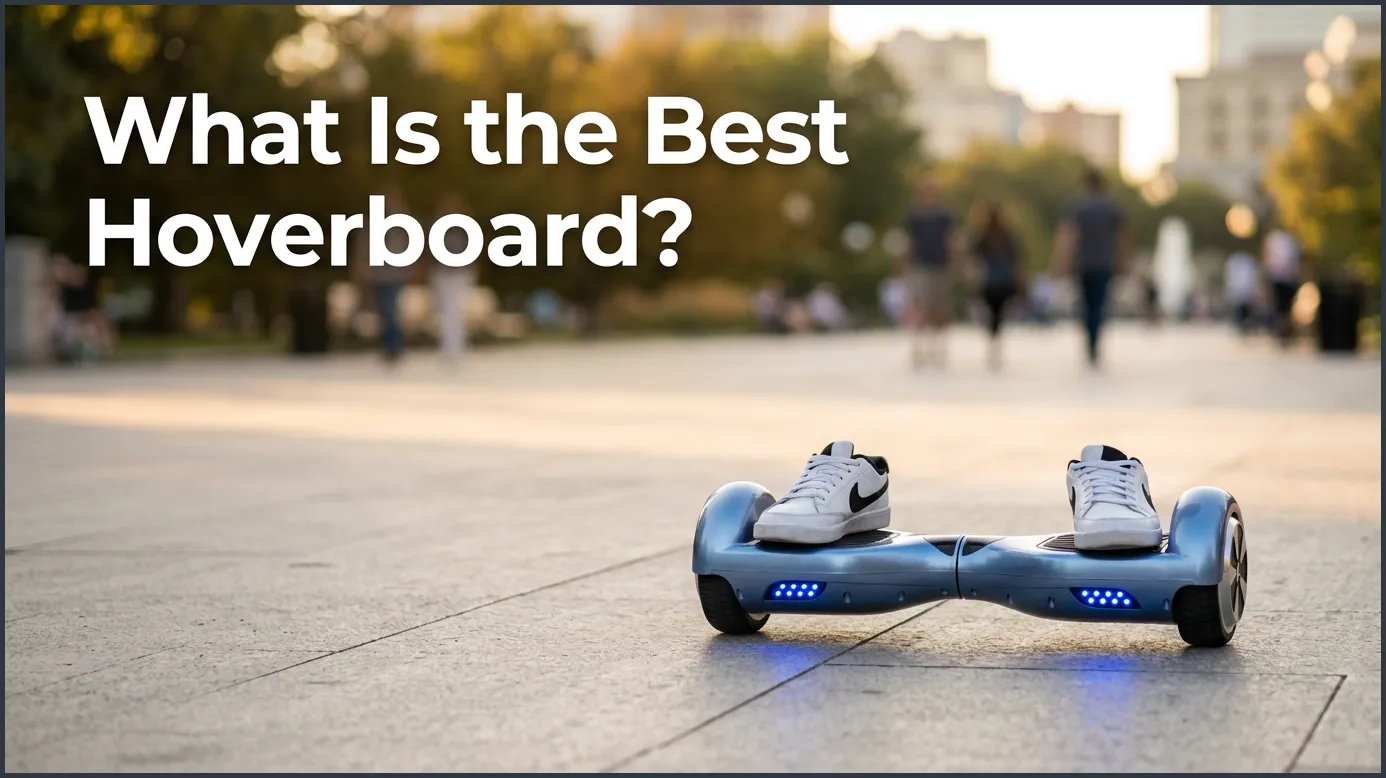
Finding the ultimate ride depends on who is riding and where. For most riders, the best hoverboard balances UL 2272 safety certification, robust battery life, and smooth self-balancing technology. Whether you want a rugged off-road beast or a light, kid-friendly cruiser, selecting a trusted brand with excellent safety ratings is key to a fun and secure experience.
Imagine gliding down your street. Your feet tilt slightly, and you instantly zoom forward. No handlebars. No pedals. Just pure, effortless motion. It feels like flying, but on two wheels. Since they burst onto the scene, self-balancing scooters have captured our imaginations. They are fun, fast, and a great way to get around the neighborhood.
But with hundreds of options online, you might feel overwhelmed. You see different speeds, wheel sizes, and flashy lights. It leaves you asking one major question: What Is the Best Hoverboard? Finding the right match does not have to be hard. We are here to help you navigate the choices.
In this guide, we will break down everything you need to know. We will look at safety features, motor power, and wheel sizes. We will help you choose the perfect board for your age, skill level, and budget. Let us dive in and find your perfect ride!
Key Takeaways
- Safety First: Always choose a UL 2272 certified hoverboard to prevent battery overheating.
- Match the Rider: Lightweight, speed-limited boards are best for kids, while adults need higher weight limits.
- Terrain Matters: Standard 6.5-inch wheels are perfect for flat pavement, while 8.5-inch rugged wheels handle grass and gravel.
- Battery and Range: Most quality hoverboards offer a range of 7 to 12 miles on a single charge.
- Smart Features: Look for Bluetooth speakers, LED lights, and app integration for extra fun and customization.
📑 Table of Contents
How Do Hoverboards Work?
Before you buy, it is helpful to know how these cool gadgets work. Hoverboards do not actually hover. They roll on two wheels. Inside the board, you will find a complex system of sensors. These sensors detect your weight and balance.
When you lean forward, the board moves forward. When you lean back, it slows down or reverses. To turn, you simply press down with one foot. It feels strange at first, but your brain learns the movement quickly. Most people can ride smoothly after just ten minutes of practice.
The Magic of Gyroscopes
The secret behind this smooth ride is the gyroscope. Gyroscopes help the board keep its balance. They tell the internal computer which way you are tilting. The computer then tells the electric motors how fast to spin. This keeps you stable and upright.
Understanding Motor Power
Hoverboards have electric motors inside the wheels. Most boards have dual motors. This means each wheel has its own motor. Motor power is measured in watts. For light riding, a 200-watt motor is fine. If you want to climb hills or ride on grass, look for 300 to 400 watts per wheel.
Safety is the Number One Priority
When hoverboards first came out, they made the news for the wrong reasons. Some cheap batteries caught fire. Thankfully, the industry fixed this problem. Today, safety standards are very strict. You must know what to look for to stay safe.
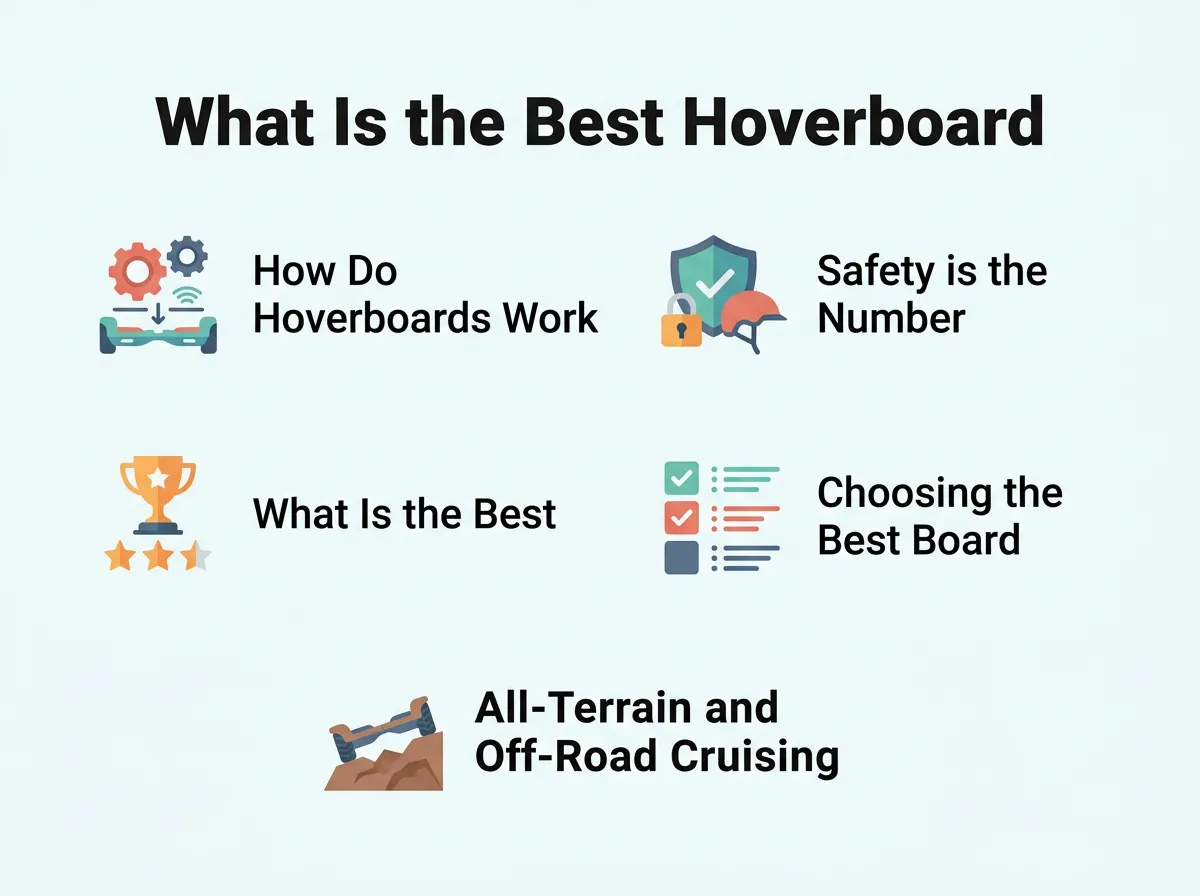
What Is the Best Hoverboard? — key points at a glance
The most important safety mark is the UL 2272 certification. This certification means the board has passed intense safety tests. It will not overheat, short circuit, or catch fire. Never buy a board without this label. For more safety tips, check out this helpful safety guide for kids’ hoverboards to keep your little riders secure.
Battery Safety Tips
Even with a safe board, you should follow simple rules. Use the charger that came with your board. Do not leave the board charging overnight. Charge it in an open area, away from flammable things. These easy steps will keep your battery healthy for years.
Protective Gear
No matter your skill level, you should wear safety gear. Always wear a helmet. Elbow pads, knee pads, and wrist guards are also great ideas. Falling is part of learning. Safe gear ensures a fall does not ruin your day.
What Is the Best Hoverboard for Kids?
When shopping for children, your priorities should change. Speed is not the most important thing. Instead, you want safety, stability, and easy control.
Kids’ hoverboards are usually smaller and lighter. They often have a top speed of six to eight miles per hour. This speed is fast enough to be fun, but slow enough to be safe. Many of these boards also have a “beginner mode” that limits the speed while they learn.
Weight Limits for Young Riders
Hoverboards have minimum and maximum weight limits. If a child is too light, the board will not sense them. The board might shake or refuse to move. Most kids’ boards require the rider to weigh at least 44 pounds. Always check the weight range before buying.
Bright Lights and Fun Colors
Kids love boards with style. Many kids’ models feature flashing LED lights. Some even have light-up wheels. These look cool and make the rider highly visible. This extra visibility keeps them safer when riding near roads.
Choosing the Best Board for Adults
Adults need more power than kids. A board for an adult must carry more weight and handle rougher use. If you are an adult rider, you will want to look at motor size and frame strength.
Adult boards usually have a weight limit of 220 to 265 pounds. They also have larger batteries. This allows them to travel further on a single charge. An adult board can typically travel ten to twelve miles before needing a plug.
Commuting on a Hoverboard
Can you use a hoverboard for your daily commute? Yes, you can! If you live in a city, a hoverboard is a great way to cover short distances. It can take you to the bus stop or the subway. Look for a board with a comfortable deck. A wider deck gives your feet more room and reduces fatigue.
All-Terrain and Off-Road Cruising
Most standard hoverboards have 6.5-inch wheels. These wheels are perfect for smooth concrete. But what if you want to ride on grass, gravel, or dirt? You will need something a bit more rugged.
Off-road hoverboards have larger, wider tires. These tires are usually 8.5 inches or larger. They have deep treads, like a mountain bike. This grip helps you stay stable on loose ground. If you plan to ride off the pavement, you should look into specialized off-road hoverboards designed for rugged paths.
Tackling Hills and Slopes
A standard board might struggle to climb a hill. Off-road models have stronger motors. They can easily climb slopes of 15 to 20 degrees. They also have water-resistant frames. This means you do not have to worry about mud or small puddles.
Smart Features and Modern Tech
Today’s hoverboards are smart devices. They offer much more than just a ride. They come with built-in technology that makes riding even more fun.
One popular feature is Bluetooth speakers. You can connect your phone to the board. Then, you can blast your favorite music while you cruise. It turns your ride into a rolling party.
Companion Smartphone Apps
Many high-end boards connect to a smartphone app. These apps let you customize your ride. You can change the color of the LED lights. You can check your battery level and track your speed. Some apps even let you adjust the steering sensitivity. For a look at how these tech features perform in real life, you can read more about comparative hoverboard testing and reviews.
Conclusion: Finding Your Perfect Ride
So, what is the best hoverboard? The answer depends entirely on your needs. A kid will love a lightweight, colorful board with extra safety features. An adult might need a rugged, heavy-duty board with off-road wheels and a long battery life.
Before you buy, think about where you will ride. Think about who will ride it. Check the safety certifications and the weight limits. Once you find the right fit, strap on your helmet and enjoy the glide!
Frequently Asked Questions
Are hoverboards safe to buy now?
Yes, modern hoverboards are very safe as long as they are UL 2272 certified. This standard ensures the electrical, battery, and charger systems have been fully tested to prevent overheating and fire hazards. Always look for this safety label before making a purchase.
How long does a hoverboard battery last?
Most quality hoverboards will run for about 45 minutes to two hours on a single charge. This usually translates to a distance of 7 to 12 miles. The total battery life depends on the rider’s weight, the speed, and the terrain you are riding on.
Can hoverboards go on grass and dirt?
Standard hoverboards with small wheels struggle on grass and dirt. However, all-terrain hoverboards with larger, treaded 8.5-inch tires are specifically designed for these rough surfaces. They have stronger motors to help push through loose terrain easily.
What is the minimum age to ride a hoverboard?
Most manufacturers recommend hoverboards for children aged 8 and older. Younger children may lack the coordination, balance, and weight needed to safely control the board. Always supervise children while they learn to ride.
How fast do hoverboards go?
Standard kid-friendly models usually reach top speeds of 6 to 9 miles per hour. Faster adult and off-road models can go up to 10 or 12 miles per hour. Always wear safety gear regardless of the speed.
How do I calibrate my hoverboard if it shakes?
To calibrate your board, turn it off and place it on a completely flat, level surface. Hold the power button down for about 10 seconds until the lights flash. Turn the board off, then back on, and it should be balanced.
